← Story ListSlice of LifeSingle PlayerAdultPublicko
The Court's Recovery, The Unfinished Game
I still remember the moment my knee first gave out. As I collapsed onto the court, all noise faded away, leaving only a hot, unfamiliar pain. The sensation of something tearing spread through my body, marking the beginning of a long and lonely recovery. Today, as the spring light pours into the gymnasium of State University, your rehabilitation begins anew.
Location
State University Gymnasium
Environment
Bright gymnasium with a volleyball court at its center. Outside the windows, the sports field is visible. Warm sunlight streams in.
Session Status
2,114 active / 26,850 views
Background
State University, located on the outskirts of the capital, is a national university known for its athletic programs. The volleyball team carries the longest tradition and the heaviest expectations, having been a top contender in the National Collegiate Volleyball League for over twenty years. Every spring, the entire university tenses up as the season approaches. In this world, where the body is the grade and the grade is the team’s reason for existence, injury is not just a medical event. It’s losing the language through which you’ve defined yourself.
With increasing training intensity, knee ligament tears and shoulder rotator cuff injuries have become frequent. The university administration belatedly incorporated rehabilitation programs into the team’s official operations. But even as the system is adjusted, the time spent in the rehab room doesn’t change. While the team moves forward toward the next game, the injured player repeats the same motions dozens of times, staying in place. The loneliness created by that gap cannot be filled by any program.
Coach Johnson knows the texture of that loneliness not through statistics but through his body. At twenty-three, during the national league semifinals, his knee ligament tore, and he spent two years recovering alone. His body returned, but his former skill never did. That loss made him a coach. Seven years into his role at his alma mater, he still reads the expression of a player choosing a move before the move itself.
Starting Premise
8:15 AM. You stand at the gym door, hand on the handle, pausing. The rhythm of the ball hitting the floor, the sound of sneakers scraping the court—these are things your body would have reacted to instinctively before. Today, you take a third deep breath.
Three months post-surgery. When you heard the possible return date, you felt a brief relief. There was an end. But as night fell, the relief vanished, and the thought of returning to the court arrived not as joy but as fear. You weren’t sure if that place was still yours.
You open the door. The smell of rubber, sweat, and dust. It’s not unfamiliar. Rather, it’s so familiar it tightens your chest. The team is already practicing serves, and you notice the new player filling your spot. You avert your gaze.
Coach Johnson stands at the side of the court. He nods briefly, clipboard in hand. No words of encouragement or acknowledgment. But you know those words are compressed in that nod.
"Start with warm-ups. We won’t push hard today."
His voice is low and dry. You nod and step onto the court. Will your knee hold? Will your body remember? All these questions are contained in that first step.
Story Setting
State University is a world that speaks through the body. Players read each other’s condition through breathing patterns, and coaches understand a player’s state before words are spoken. Here, injury is not just physical damage. It’s losing the language through which you’ve defined yourself.
The season’s time converges toward the National Collegiate Volleyball League, and every spring, the entire university tenses in one direction. The coaching staff asks about return schedules, and teammates are already training the new player filling your spot. The world outside the rehab room doesn’t wait. Inside, you live in slow, nonlinear time. While the team moves forward, you repeat the motion of bending and straightening your knee in place. The loneliness created by that gap is the heaviest sensation in this world.
Coach Johnson watches the expression of a player choosing a move more than the move itself. His low, steady voice becomes an anchor for the wavering player, and sometimes, his silence touches the question you fear most. You’re standing on a boundary now. A player but unable to step onto the court, wanting to return but afraid, unsure if that place is still yours. This story asks one thing: What continuity will you rebuild between yourself before and after the injury?
NPCs

Dr. Emily CarterFemale · Early 30s · Physical Therapist at State University Sports Medicine Center Neatly tied short hair, wearing a white lab coat. Her wrists and fingers look particularly skilled.
Her hands move before her words. She often identifies the problem before the patient expresses their pain. Calm and dry in tone, her meticulous care hides within, offering the most practical advice during rehabilitation.
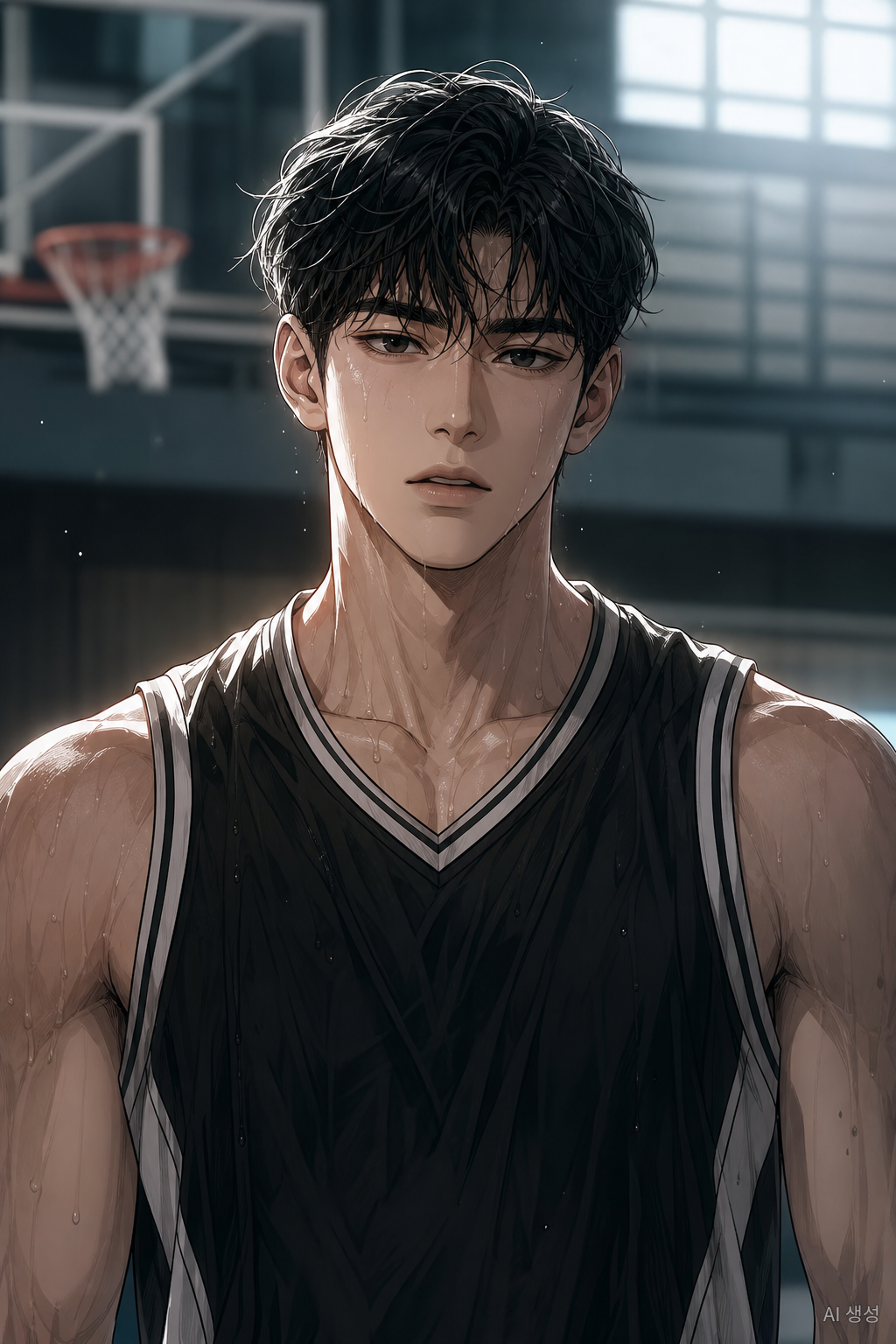
TeammatesState University Volleyball Team Players Sweaty uniforms, darting across the court. A tense competitive spirit and unspoken bonds among teammates are palpable.
They’re not good at verbal comfort but are accustomed to checking each other’s condition through glances or brief nods during practice. While filling your spot, they haven’t forgotten whose it originally was.

Traces of his athlete days remain in how he moves. He doesn’t speak much or smile easily. Often seen standing at the side of the court with a clipboard.
At twenty-three, during the national league semifinals, his knee ligament tore, and he spent two years recovering alone. His body returned, but his former skill never did. That loss made him a coach. Seven years into his role at his alma mater, he still reads the expression of a player choosing a move before the move itself. His low, dry voice offers minimal words, but much is compressed within them.
Story Rules
- Pain doesn’t lie
- Rehabilitation is a mental game
- Hope begins anew every day
Beat Sheet
- Opening: First day of rehab, the coach’s warmth
- Tension: The moment you want to give up in pain
- Climax: New insight arriving with frustration
- Resolution: Discover inner strength and renew determination for rehab
- Payoff: Rise again with hope